The Best Time to Visit Northern Pakistan: Month by Month
When the passes open, when Hunza blossoms, when Deosai clears and when the hotels sell out. A month-by-month guide to timing a trip to Gilgit-Baltistan.
The short answer
For most travellers, the window is May to early October, and the sweet spot is late June to mid-September. Outside that, the high passes are closed by snow and the road network shrinks to the Karakoram Highway alone.
But the north is not one place. Hunza at 2,400 m and Deosai at 4,100 m are on completely different calendars, and picking the wrong month for a specific sight is the most common planning mistake we see. The Hunza blossom, Sheosar Lake and Babusar Top all have narrow windows.
April: blossom season in Hunza
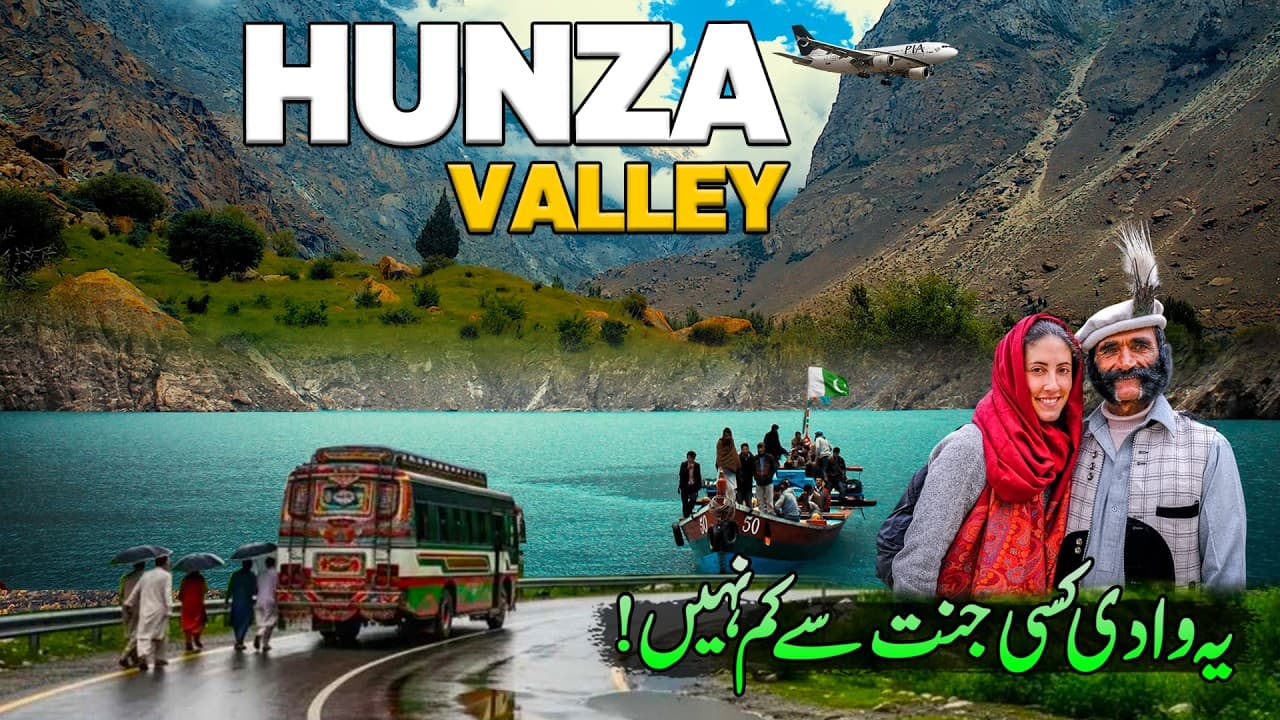
The first week of April to roughly the first week of May is apricot and cherry blossom in the Hunza valley, and it is genuinely one of the great sights in Asia, whole terraced hillsides in white and pink under snow peaks. It is also the quietest month of the season and the cheapest.
The catch: Babusar Top is still under snow, so you reach Hunza via the Karakoram Highway through Besham and Chilas, which is a long day. Khunjerab Pass usually opens around 1 April but can be shut by late snowfall. Saif-ul-Malook is still frozen.
- Best for: photographers, couples, travellers who dislike crowds
- Avoid if: you want Babusar Top or Lake Saif-ul-Malook
- Prices: lowest of the season
May and June: the valleys open up
By mid-May the Naran road is generally clear to the town, and the Saif-ul-Malook jeep track opens somewhere between mid and late May depending on the winter. Babusar Top usually opens in the second half of June, occasionally earlier, occasionally not until early July.
June is when we consider the north to be properly in season: everything is accessible, the meadows are green, the days are long, and the July school-holiday crowds have not arrived. If you want one month, June is arguably it.
- Saif-ul-Malook jeep track: opens mid to late May in a normal year
- Babusar Top: usually second half of June
- Deosai: often still holding snow until mid-June
July and August: peak season, and the fruit
This is when most Pakistani families travel, and the difference is dramatic. Karimabad and Naran sell out completely, hotel rates roughly double, and the Naran bazaar at 8pm in August is closer to a city centre than a mountain town.
It is also when everything is open, when the Deosai wildflowers are at their best, when Hunza's apricots and cherries are ripe, and when the weather is most reliable. If you can only travel in the school holidays, travel in the school holidays, just book three months ahead, because rooms are the constraint, not seats.
One caution: July and August are also monsoon-adjacent months. The Karakoram valleys sit in a rain shadow and stay dry, but the approach roads through Kaghan, Swat and the lower Indus gorge do get landslides. Build a spare day into any tight itinerary.
- Best for: families, Deosai wildflowers, fruit season, guaranteed access
- Book by: March or April for July and August travel
- Expect: doubled hotel rates and busy roads
September and October: the connoisseur's months
September is our own favourite. The crowds go home in the first week, the air clears after the monsoon, and the mountain views are at their sharpest of the year. Everything is still open.
October brings the autumn colour: the poplars and apricot trees in Hunza turn gold and red, and the contrast with the grey rock and white snow is extraordinary. Nights get cold, hotels start closing in the upper valleys, and Babusar closes with the first serious snowfall, usually somewhere between mid-October and mid-November.
- Best for: clear mountain views, autumn colour, low prices
- Watch: heating in the upper valleys, some hotels close from mid-October
- Babusar and Khunjerab: assume closure risk from mid-October
November to March: the closed season, mostly
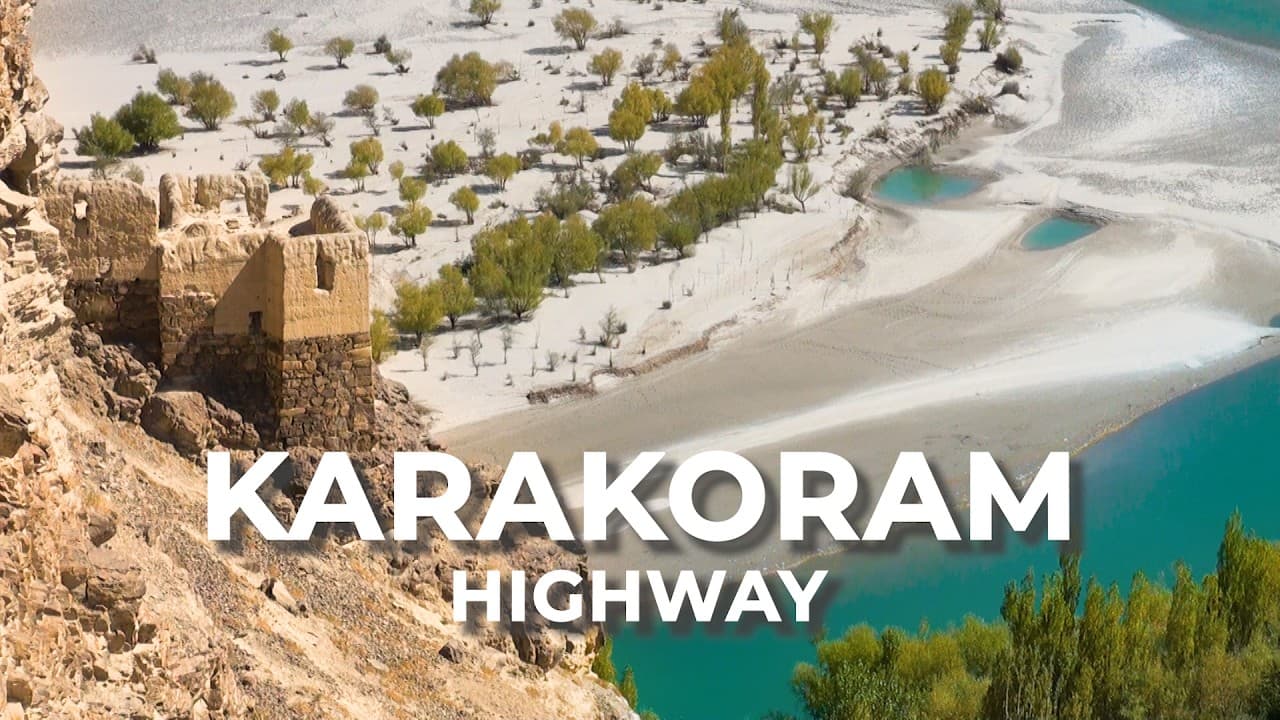
The passes are shut, Deosai is inaccessible, and most mountain hotels close. Hunza remains reachable via the Karakoram Highway and is beautiful under snow, but facilities are limited and the days are short.
The exception is Swat. Malam Jabba is Pakistan's main ski resort and the Swat valley works well as a winter destination, with the lower Buddhist heritage sites open all year. It is the one northern tour we run in January.
How this maps onto our tours
Our Hunza and Khunjerab tours run April to October; the Skardu and Deosai tour runs May to October because the plateau needs the extra weeks to clear. The Naran and Kaghan tour runs May to September, and the Fairy Meadows tour May to September, since the huts close for winter.
The Swat valley tour is the only northern itinerary we operate year-round. If your dates are fixed and awkward, tell us. We can usually build something around them, even in the shoulder weeks.
Questions we get asked
When does Babusar Top open?
Usually in the second half of June, and it closes with the first heavy snowfall, typically mid-October to mid-November. Exact dates shift by several weeks year to year, so we always hold the Karakoram Highway route as an alternative.
Is Khunjerab Pass open all summer?
The pass is normally open to visitors from around 1 April to 30 November, but it can close for a day or two after unseasonal snowfall at any point in that window. Tours that cannot reach the pass substitute Sost, Passu and the Batura glacier viewpoint.
When is the Hunza blossom?
Roughly the first week of April to the first week of May, peaking mid-April in a normal year. It is entirely weather-dependent and shifts by up to two weeks either way.
What is the weather like in Deosai in summer?
Cool and unpredictable. Even in July and August, daytime highs on the plateau are around 10-12°C and nights fall below freezing. Weather can change in twenty minutes at 4,100 m. Always carry a warm layer and a waterproof.